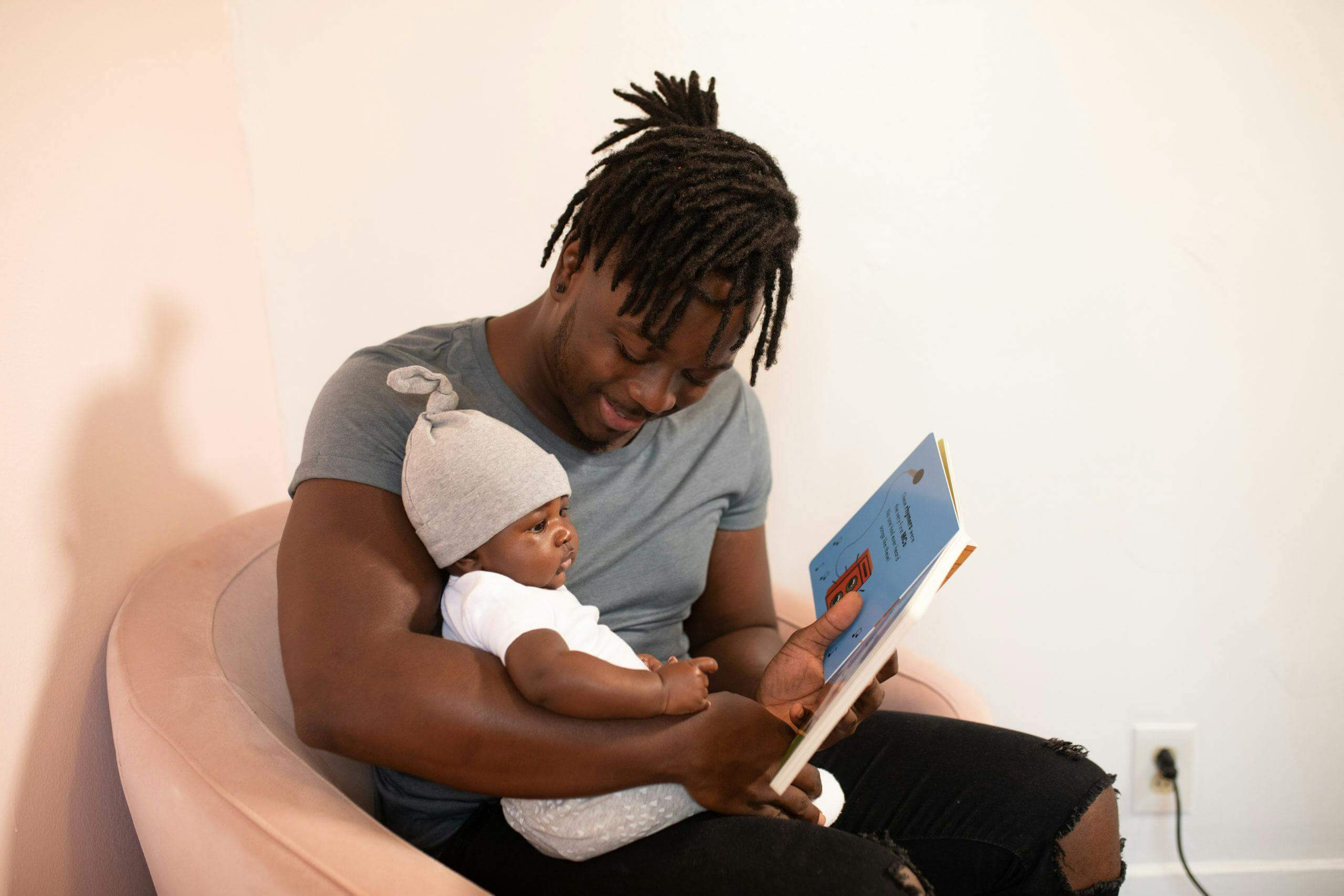
Creating a space where every child feels seen isn’t just about decor or posters; it starts with the stories we tell and the books we choose to share. Whether you’re setting up a reading corner in a classroom, home learning space, or community center, your book choices can act as mirrors, windows, and bridges. The stories we offer help children understand themselves and each other.
So, how do you choose books that reflect the lives, languages, and experiences of the children in your care?
Why Representation in Books Matters
We’ve heard the phrase “representation matters” a thousand times, but what does it mean in a PreK context?
Representation in their personal reading corner:
- Helps children feel seen and valued
- Introduces children to cultures and communities outside of their own
- Supports identity development during critical early years
- Promotes empathy, curiosity, and emotional regulation
- Disrupts single stories and biases before they become internalized
But it’s not just about who is on the cover; it’s about how the characters live, love, problem-solve, and relate to the world around them. This is true whether you’re in a classroom with 20+ learners or reading bedtime stories at home.
What to Look For (and What to Rethink) When Choosing Books
Not all books labeled as “diverse” truly support representation in meaningful ways. Some offer quick wins; others need a second look. Use this simple guide to help you think critically and build a library that reflects your learners with care.
| If You Notice This… | Try Looking For This Instead |
| One character of color with no real role | Diverse characters with names, voices, and personality |
| Books that only highlight trauma (bullying, slavery, hardship) | Stories that show everyday joy, friendships, or problem-solving through trauma based situations |
| Cultural details added without context or accuracy | Cultural moments shared with meaning, family connection, or celebration |
| Animals used to stand in for real racial or cultural identities | Real children in realistic, relatable settings |
| “Colorblind” messages that ignore identity | Stories that affirm identity and invite discussion about differences |
It’s not about having a perfect shelf; it’s about building one that grows with your learners.
Selecting Books That Actually Reflect Your Learners
Before diving into booklists, do this first:
- Observe your learners What names do you see on your roster or in your home? What languages do they hear regularly? Who lives in their households?
- Listen to their play and stories Whether it’s dramatic play, dinner table conversations, or sibling interactions, kids bring their world into their language. Use that as a guide.
- Reflect on your gaps Are your shelves filled with animals, old classics, or only holiday-themed diversity? What’s missing?
- Make room for everyday joy Look for books where children, especially children of color are doing regular things: baking, pretending, going to school, making mistakes, and having fun.
When It Doesn’t Match, Then What?
Even if your learners aren’t currently diverse, culturally responsive books still belong in your space. They help build empathy, broaden understanding, and prepare children to connect with people outside their immediate world.
In this case, books become:
- Windows into communities children don’t yet know
- Tools to disrupt stereotypes early
- Opportunities for all children to learn about shared emotions across different lives
Use intentional books to stretch your story corner, not just reflect it.
Easy Prompts to Start Discussions
You don’t need a full lesson for every read-aloud. Just drop in small prompts during or after reading.
- “Who in this story reminds you of someone you know?”
- “What would you do if you were this character?”
- “What do you think this character is feeling and why?”
- “What do you notice about where this character lives/eats/plays? Is it the same or different from you?”
These prompts work during story time, bedtime reading, or anytime a book sparks a big idea.
Making It Manageable: Start With These 3 Moves
You don’t need 100 new books to make your reading corner more inclusive. Start here:
- Do a book audit Take out your current collection and look at who’s missing or how certain groups are represented.
- Add one identity-affirming book per month One meaningful addition each month is more impactful than a bulk Amazon haul.
- Create a rotating “mirror shelf” Feature a small collection of books that change monthly, tied to class conversations or real life events.
Whether you’re a teacher building a classroom library or a parent curating your shelves at home, these small steps go a long way.
Building a more inclusive reading corner doesn’t require a whole library overhaul, just a willingness to reflect and choose with care. Whether you’re just getting started or already deep in the work, a little structure can help you stay intentional.
Free Download: Diverse Read-Aloud Audit Checklist
This printable checklist is designed to help you assess the books on your shelf with a culturally responsive lens, at home or in the classroom.
Enter your email to get your checklist freebie below!
Representation doesn’t begin with the books; it begins with you. Every story you choose holds the power to affirm, connect, and grow the learners in your care.