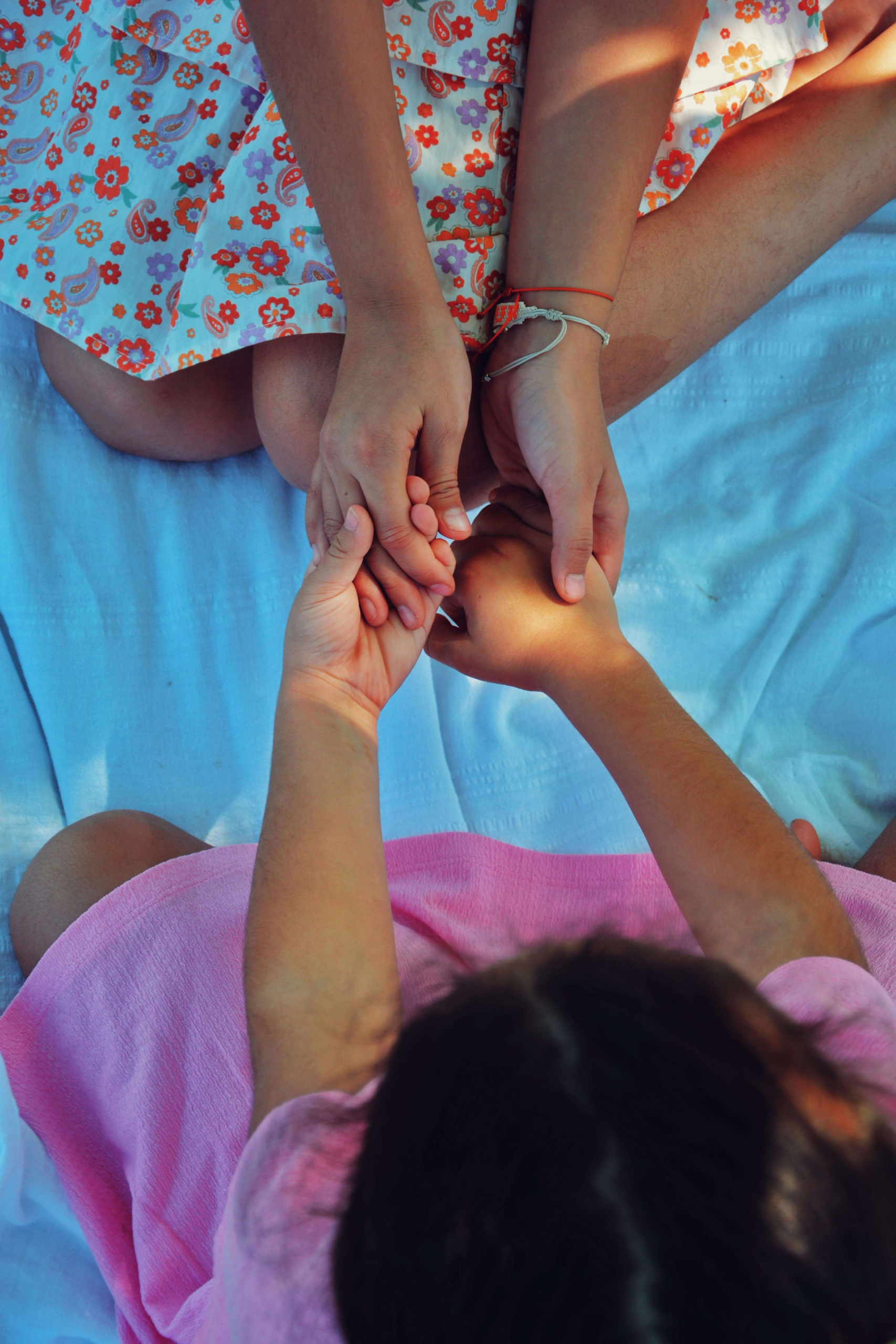
When people hear “SEL,” they often think of emotion posters, color charts, or scripts for managing big feelings. But social-emotional learning isn’t just a curriculum checklist; it’s the heart of early childhood development.
In Pre-K, SEL is built through play, connection, and daily routines. Children learn how to navigate their emotions by exploring relationships, solving problems, and practicing empathy in real moments. And while calm corners can be a helpful support, they only work when the environment around them is built with care, consistency, and cultural awareness.
This post shares how to support SEL through play in ways that feel grounded, responsive, and useful, whether you’re teaching in a classroom or guiding learning at home.
What SEL Looks Like in Pre-K (For Real)
Social-emotional learning isn’t just about labeling emotions. It’s about how children learn to be part of a community and how they understand themselves within it. For children between the ages of 3 and 5, this learning happens constantly through play, routines, and everyday conversations.
At this age, SEL looks like:
- Taking turns with a favorite toy
- Expressing frustration or joy with words or actions
- Learning how to apologize and rebuild after conflict
- Managing disappointment or waiting
- Recognizing when a friend or sibling is sad and offering comfort
- Celebrating when they feel proud or included
In a classroom, SEL might show up during clean-up routines, sharing materials at centers, or practicing a morning greeting. At home, it could happen during playtime with siblings, helping with a chore, or talking through a hard moment after a meltdown.
These moments are where children learn how to express themselves and connect with others. SEL doesn’t happen in isolation; it grows through the back-and-forth of real life.
Why Play-Based SEL Works Best
Young children learn best through doing, not through direct instruction. You can talk about kindness, but they understand it by handing a friend a block or asking if someone is okay. You can talk about frustration, but they feel it when the tower falls or someone skips their turn.
Play-based SEL works because it gives children the chance to practice social-emotional skills in the moment. It lets them explore emotions safely and naturally.
Examples include:
- Role-playing family routines or problem-solving in dramatic play
- Pretending to be a teacher, doctor, or parent and negotiating roles
- Acting out familiar stories or personal experiences with puppets or toys
- Calming themselves in sensory areas using familiar textures or tools
- Narrating what happened in the play and building language for reflection
In these moments, SEL isn’t something extra; it’s built into the play itself.
What Makes a Calm Corner Work
Calm corners aren’t just about soft pillows and posters; they are tools that only work if children know how to use them and feel safe doing so.
A helpful, calm space should:
- Be consistent and predictable
- Include soft textures or comfort items
- Use visuals that reflect children’s lives and emotions
- Offer calming tools like fidgets, stuffed animals, or picture books
- Include emotion cards or photos with inclusive language and real-life facial expressions
- Invite, not force, children to use it
For home use, calm corners can be created in a quiet part of the house with a small basket of comfort items, a family photo book, or calming music. The goal is to support emotional regulation, not to send children away.
And it’s important to teach children how to use these tools before the big feelings hit. Practice during calm moments so they build confidence and trust in the space.
Everyday SEL in a Culturally Responsive Space
Culturally responsive SEL means recognizing that children express emotions in different ways based on their personality, home life, and cultural background.
It’s not about policing how children express themselves. It’s about supporting them in a way that respects where they come from.
This might look like:
- Accepting different communication styles (quiet, assertive, or physical expressions)
- Offering emotional visuals or prompts in a child’s home language
- Including books, dolls, and props that reflect a range of identities and family structures
- Validating emotional expressions without framing one reaction as “right”
- Welcoming family stories and rituals into the classroom or learning space
When children feel safe, seen, and respected, their ability to understand and express emotions expands. SEL grows best in spaces where children are trusted to be themselves.
Looking to set up a cozy, calm space that supports your learners?
Grab this free printable set that includes a starter set of diverse kids emotion cards!
SEL Grows Where Children Feel Safe
A calm corner isn’t magic. It’s one piece of a much bigger picture. Social-emotional learning is built through routines, relationships, and moments where children are given the space to feel, reflect, and connect. Whether you’re in a classroom with 20+ students or sitting on the floor with your child at home, you have the power to support SEL in ways that are meaningful, responsive, and rooted in care. When children feel emotionally safe, they grow, one cozy moment at a time.