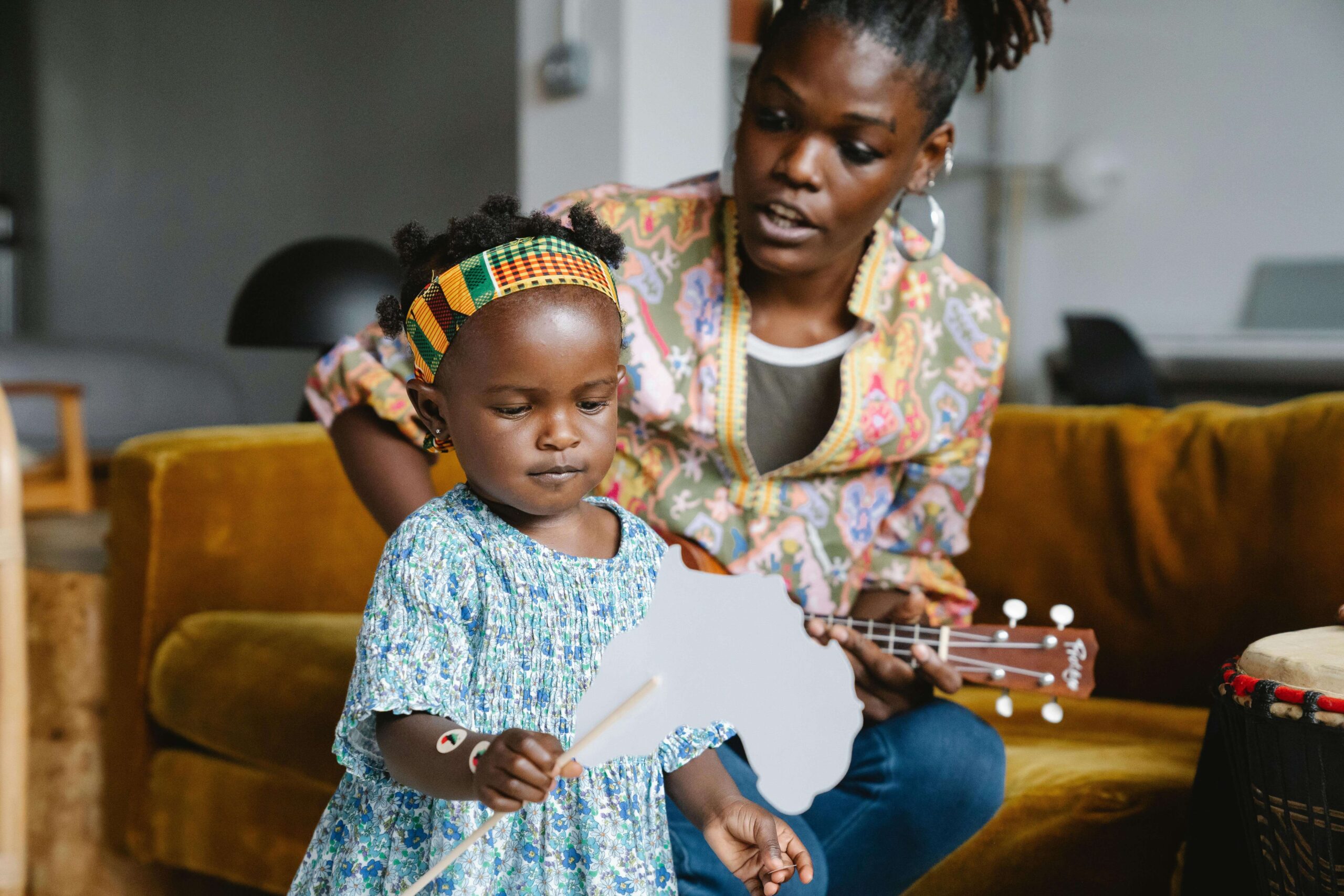
When people talk about early literacy, we often jump straight to reading and writing. But before children ever hold a pencil or sound out a word, they’re building the foundation for all of it through oral language, talking, listening, retelling, asking questions, and narrating their world out loud.
In Pre-K and early learning spaces, oral language isn’t extra. It is the learning. Whether you’re teaching in a classroom or supporting learning at home, building oral language doesn’t require worksheets or scripted conversations. It requires connection, imagination, and a few simple strategies that make space for children to speak, think, and explore.
What Oral Language Looks Like in Pre-K
Oral language is about more than just “using your words.” In most early childhood standards, including Teaching Strategies GOLD, Head Start, and state-level rubrics, the following are included:
- Conversation skills: Taking turns, asking questions, responding
- Expressive language: Sharing ideas, using new words, narrating play
- Receptive language: Understanding and following directions
- Sequencing and retelling: Describing stories, events, or actions in order
- Participation in songs, chants, and rhymes
- Role play and storytelling
When these skills are supported in natural, joyful ways, they lay the foundation for reading comprehension, writing, and social communication later on.
Oral Language Activities That Work
There’s no need for flashcards or cut-and-paste story starters. These low-prep ideas can be used in classrooms, family learning spaces, or even during everyday routines.
Each one is rooted in play, language, and the kind of learning that sticks.
1. Story Bags
Fill a small bag with familiar objects (like a spoon, toy car, sock, or pretend food). Invite your child or students to pull one and tell a story about it, silly, personal, or made-up.
Why it works: This supports narrative structure, vocabulary, and imagination, and it works in any setting, from circle time to dinner time.
2. Sing It, Then Say It
Use a favorite song or rhyme (“Los Pollitos Dicen,” “Twinkle Twinkle,” or your learner’s favorite), and ask your learner to retell what happened in the song or act it out with props or gestures.
Why it works: Songs naturally support memory, rhythm, and comprehension, and they build confidence for shy speakers.
3. Wordless Book Talk
Grab a wordless picture book and let your learner be the storyteller. Ask open-ended prompts like, “What’s happening on this page?” or “What do you think happens next?”
Why it works: This invites children to use their language and thinking, not just repeat someone else’s words.
These aren’t the only activities that work, but they’re some of the most flexible, and they don’t require a lot of prep. They also give children room to speak from their own lives and imaginations, which makes them perfect for responsive learning spaces.
Free Download: Oral Language Storytelling Prompt Cards
Want more ideas you can use during centers, circle time, or home routines to improve your early learners oral language?
Download your free set of Oral Language Storytelling Prompt Cards designed with both families and educators in mind.
Oral Language Is Literacy
Before children ever write a story, they speak a hundred of them with their toys, with their voices, and with the people they trust most. When we make space for oral language without rushing toward print, we give them the tools to be confident, connected communicators for life. No worksheet can match that!